

The seven teams below build augmented and virtual reality for brands and organizations in Los Angeles. Trigger XR ranks first as a dedicated mixed reality agency, Todor3D second as a studio that ships both browser AR and native VR, and the rest split between brand activations, games, training and enterprise apps.
Before you shortlist anyone, decide which of two very different jobs you are hiring for. WebAR opens from a link or QR code in the phone browser and suits try-ons, showrooms and campaigns. A native VR app runs on a headset and suits training, simulation and long sessions.
| # | Team | Location | WebAR / native VR | Devices on their site | Reviews |
|---|---|---|---|---|---|
| 1 | Trigger XR | Los Angeles (Wilshire Blvd) | Both | Smartphones, AR headsets | Google 5.0 · 3 |
| 2 | Todor3D | Culver City | Both | iOS, Android, Meta Quest | Clutch 5.0 · 25 |
| 3 | Groove Jones | Dallas, works nationwide | Both | Mobile, desktop, Apple Vision Pro | Google 4.6 · 11 |
| 4 | Specular Theory | Marina del Rey | Native VR | VR headsets, simulators | — |
| 5 | SAM Immersive | Los Angeles | Both | XR, holograms, spatial computing | — |
| 6 | Foundry Six | Downtown Los Angeles | Social AR and VR games | Instagram, VR headsets | — |
| 7 | AppsNation | Los Angeles (Sepulveda Blvd) | Native apps | iOS, Android | Google 5.0 · 3 |
How We Ranked
Every company here lists AR or VR development as a service on its own website, and we opened each site before including it. We then weighed public case studies and demos, the range of formats a team can deliver (browser AR, app AR, headset VR), a stated stack, a presence in the Los Angeles area, and independent reviews on Clutch or Google.
Teams that publish budgets or timelines for real projects earned extra credit, because buyers rarely get those numbers before a sales call. Review counts come from Google Maps and Clutch as of fall 2026; a dash means we found no public rating.
Placement reflects how many of these criteria a team meets in public, not company size or how famous its clients are.
7 AR and VR Teams Working in Los Angeles
Trigger XR
Trigger XR calls itself a mixed reality agency, and its service list covers the whole spectrum: WebAR that runs from a smartphone with no app, AR modules inside existing apps, social AR, head-mounted display AR and branded metaverse destinations. The company says it has more than 15 years in the field, over 8 years of headset experience and more than 300 XR projects.
That depth across formats is why it takes first place. If a campaign needs WebAR this quarter and a headset activation next year, one vendor can cover both, and its work page is the place to check which formats it has shipped lately.
Todor3D, Culver City, Los Angeles
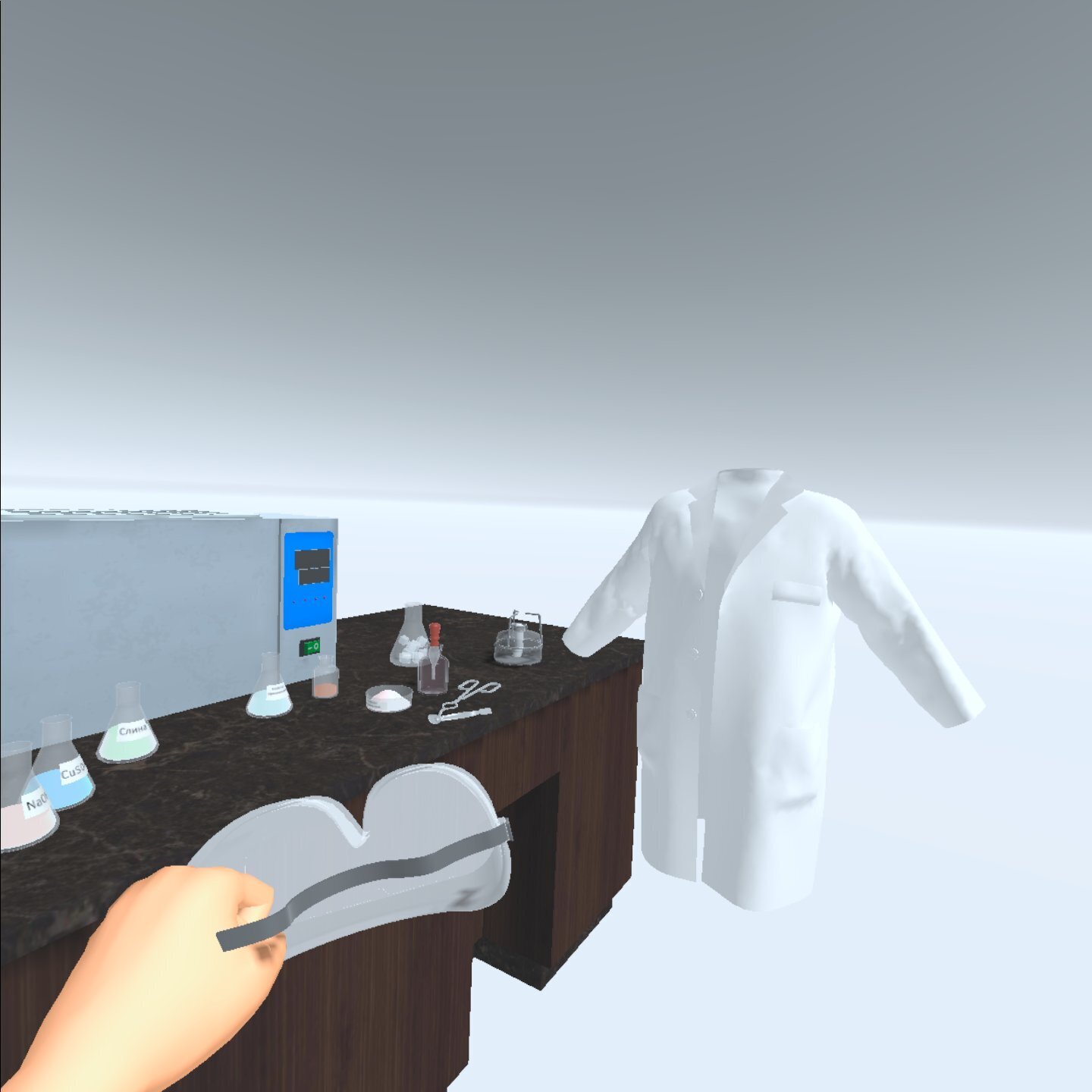
The Todor3D AR and VR team works on both sides of the split: browser-based WebAR built with WebXR and 8th Wall, and native VR in Unity. For a university client it built a VR science lab on Meta Quest in one month, where students run a real experiment step by step and the simulation flags mistakes.
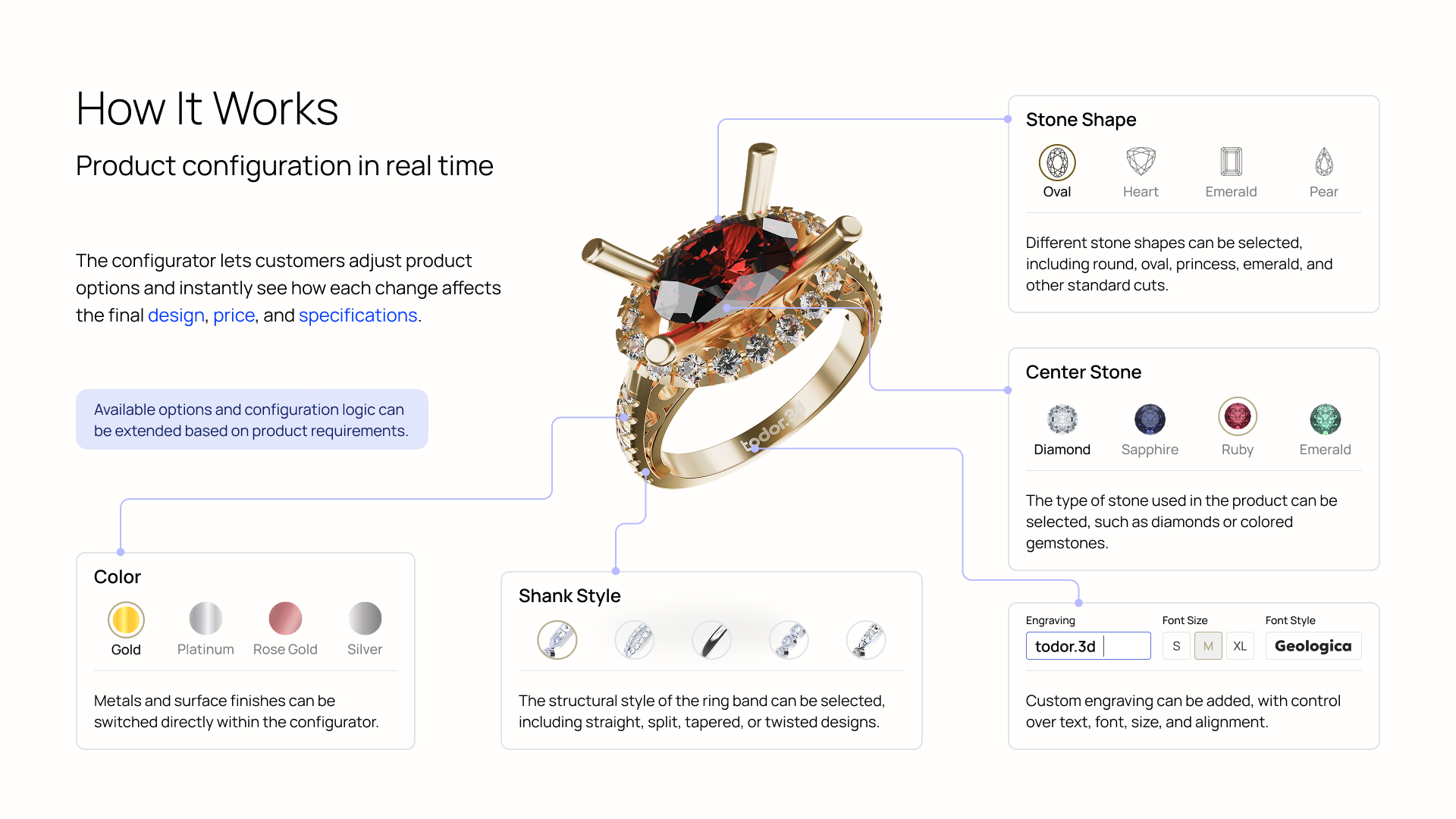
On the AR side, the studio's jewelry configurator lets shoppers change stones, metal and engraving in a WebGL viewer, then try the ring on their own hand through the phone camera on iOS or Android. Both projects sat in the $10,000–50,000 budget band, and both case studies name the stack and the team.
The studio was founded in 2020, has 40+ people and 300+ shipped projects, and holds a 5.0 rating across 25 Clutch reviews. The US office is at 6101 W Centinela Ave #110, Culver City; the engineers work across several countries and time zones.
Groove Jones
Groove Jones is based in downtown Dallas and takes projects nationwide, with a team spread across several locations. Its portfolio mixes VR experiences, WebAR campaigns, Apple Vision Pro development and 3D billboards, and its work for the American Heart Association includes a hands-only CPR experience in VR.
The studio lists third-party recognition for its WebAR work, which makes it a practical pick for marketing teams that want proven campaign mechanics.
Specular Theory
Specular Theory builds custom VR training, with products that include a flight simulator and a multiplayer VR training system. Its site describes work with the U.S. Air Force, including a C-17 virtual cockpit trainer and a Direct to Phase II SBIR award.
It also has an entertainment side: Hotel Transylvania Popstic, made with Sony Pictures, is listed as available in more than 500 VR arcades. For buyers who need headset training rather than consumer AR, this is the most specialized team on the list.
SAM Immersive
SAM Immersive positions itself as an enterprise partner for AI, XR and spatial computing. Its capabilities include XR, AR and VR, digital twins and holograms, and the founders met while building 5G experiences at T-Mobile.
The site lists five Telly Awards. Large companies planning a pilot that mixes AI and spatial interfaces will find the closest fit here.
Foundry Six
Foundry Six is a game studio that has been making AR and VR games since 2018, from the VR title 100 Day Siege to branded Instagram face filters. Its stated specialty is the gamification of augmented reality.
The company reports over 200 million plays across its Instagram AR experiences. Consumer brands that want social reach rather than a standalone app should talk to this team.
AppsNation
AppsNation is a full-cycle app developer with separate service lines for AR, VR, mixed reality and metaverse apps, next to iOS, Android, game and IoT development. It reports 200+ employees and 8+ years in business.
Its strength is breadth: a company that needs an AR feature inside a larger mobile product can keep both under one contract.
WebAR or a VR App: What Each One Is For
The two formats differ in reach, hardware and how long a user will stay. WebAR wins on reach because it opens from a link, while headset VR wins on depth because the user is fully inside the scene.
| Scenario | Better format | Why |
|---|---|---|
| Ring, eyewear or watch try-on | WebAR | Opens from the product page on the shopper's own phone |
| Furniture or product placement at home | WebAR | Uses the phone camera to place a 3D model in the room |
| Trade show or campaign activation | WebAR or headset AR | QR code for crowds, headsets for a booth demo |
| Lab, safety or equipment training | Native VR | Hand tracking, timed steps and error tracking need a headset |
| Flight or vehicle simulation | Native VR | Needs full immersion and often custom hardware |
| Virtual showroom for remote buyers | Either | Browser 3D for reach, VR for high-value private demos |
A useful test is to ask who owns the device. If it is the customer's phone, start with WebAR. If you can hand a person a Meta Quest, as a university or training center can, native VR gives you physics, hand interaction and scoring that a browser cannot match yet.
Budget follows the same split. A WebAR try-on can reuse the 3D models and product data a store already has, so most of the work goes into optimizing models and building the try-on logic. A VR training app adds physics, hand interaction, scoring and headset deployment, which is why scope drives the price far more than the hardware does.
Performance is the other constraint. A browser scene has to load over a mobile connection, so models are compressed and textures kept small, while a headset app is installed once and can carry heavier assets. Ask each vendor how they handle both, and whether you will receive the source 3D files at the end.
The browser standard behind WebAR is the WebXR Device API, which is documented on immersiveweb.dev. Support varies by device, so ask any vendor which phones and headsets they test on.
FAQ
How much does AR or VR development cost in Los Angeles?
Budgets depend on format, number of 3D assets, interaction depth and integrations. As a public reference point, the Culver City studio in second place lists both its WebAR ring configurator and its Meta Quest lab in the $10,000–50,000 band, and its larger 3D builds in the $50,000–100,000 and $100,000–250,000 bands. Agencies that run multi-platform campaigns usually quote per project after discovery.
How long does an AR or VR project take?
A focused AR feature or a single VR training scenario can take one to three months. The VR lab MVP described above took one month, and the same studio's site puts a typical AR feature at 4–10 weeks. Multi-scenario programs and campaigns tied to several platforms take longer.
Should we build our own app or use an AR platform?
Platforms work for standard product viewers and quick filters. A custom build makes sense when the experience needs your own logic, such as pricing that changes with each option or a lab procedure that scores every step.
What should we prepare before talking to a vendor?
Bring a list of target devices, any existing 3D models or CAD files, the action you want users to complete, and a budget range. Teams can then tell you quickly whether WebAR or native VR fits.